Chunk Loader
An asset by littlefernstudio
Install Asset
Install via Godot
To maintain one source of truth, Godot Asset Library is just a mirror of the old asset library so you can download directly on Godot via the integrated asset library browser
Quick Information

Chunk Loader
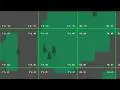
To support large game worlds without sacrificing performance, I developed a chunk loading system for my game and I want to share that technology with you.As the player moves through the world, the system continuously determines which chunks should exist based on a configurable loading radius.The chunk loader supports dynamic streaming of TileMapLayer tile data. When a chunk enters the active range, its tile data is loaded into the appropriate TileMapLayers. When a chunk leaves the active range, its tiles are removed from memory.This allows the game to render only the terrain surrounding the player instead of loading the entire world at once. The result is significantly lower memory usage and improved performance, even with large open worldsIn addition to terrain streaming, the system supports loading and unloading scenes as resources. Each chunk contains references to scene resources representing world objects.When a chunk becomes active, the associated scene resources are instantiated and added to the world. When the chunk is unloaded, those instances are automatically removed.Because objects are stored as resource references rather than permanently existing in the scene tree, thousands of potential world objects can be managed while only a small subset remains active at any given time.
Supported Engine Version
4.6
Version String
1.0.0
License Version
MIT
Support Level
community
Modified Date
5 hours ago
Git URL
Issue URL
Godot Chunk Loader
To support large game worlds without sacrificing performance, I developed a chunk loading system for my game and I want to share that technology with you.
As the player moves through the world, the system continuously determines which chunks should exist based on a configurable loading radius.
TileMapLayer Streaming
The chunk loader supports dynamic streaming of TileMapLayer tile data. When a chunk enters the active range, its tile data is loaded into the appropriate TileMapLayers. When a chunk leaves the active range, its tiles are removed from memory.
This allows the game to render only the terrain surrounding the player instead of loading the entire world at once. The result is significantly lower memory usage and improved performance, even with large open worlds
Scene-Based Object Streaming
In addition to terrain streaming, the system supports loading and unloading scenes as resources.
Each chunk contains references to scene resources representing world objects such as:
- Trees
- Mushrooms
- Rocks
- Decorations
- Buildings
- Interactable objects
When a chunk becomes active, the associated scene resources are instantiated and added to the world. When the chunk is unloaded, those instances are automatically removed.
Because objects are stored as resource references rather than permanently existing in the scene tree, thousands of potential world objects can be managed while only a small subset remains active at any given time.
Subtree Pull
git subtree pull --prefix=addons/chunk_loader https://github.com/LittleFernStudio/chunk_loader.git main --squash
To support large game worlds without sacrificing performance, I developed a chunk loading system for my game and I want to share that technology with you.
As the player moves through the world, the system continuously determines which chunks should exist based on a configurable loading radius.
The chunk loader supports dynamic streaming of TileMapLayer tile data. When a chunk enters the active range, its tile data is loaded into the appropriate TileMapLayers. When a chunk leaves the active range, its tiles are removed from memory.
This allows the game to render only the terrain surrounding the player instead of loading the entire world at once. The result is significantly lower memory usage and improved performance, even with large open worlds
In addition to terrain streaming, the system supports loading and unloading scenes as resources. Each chunk contains references to scene resources representing world objects.
When a chunk becomes active, the associated scene resources are instantiated and added to the world. When the chunk is unloaded, those instances are automatically removed.
Because objects are stored as resource references rather than permanently existing in the scene tree, thousands of potential world objects can be managed while only a small subset remains active at any given time.
Reviews
Quick Information
Chunk Loader
To support large game worlds without sacrificing performance, I developed a chunk loading system for my game and I want to share that technology with you.As the player moves through the world, the system continuously determines which chunks should exist based on a configurable loading radius.The chunk loader supports dynamic streaming of TileMapLayer tile data. When a chunk enters the active range, its tile data is loaded into the appropriate TileMapLayers. When a chunk leaves the active range, its tiles are removed from memory.This allows the game to render only the terrain surrounding the player instead of loading the entire world at once. The result is significantly lower memory usage and improved performance, even with large open worldsIn addition to terrain streaming, the system supports loading and unloading scenes as resources. Each chunk contains references to scene resources representing world objects.When a chunk becomes active, the associated scene resources are instantiated and added to the world. When the chunk is unloaded, those instances are automatically removed.Because objects are stored as resource references rather than permanently existing in the scene tree, thousands of potential world objects can be managed while only a small subset remains active at any given time.
Supported Engine Version
4.6
Version String
1.0.0
License Version
MIT
Support Level
community
Modified Date
5 hours ago
Git URL
Issue URL